
Construction Phase Sequence From Permit to Completion
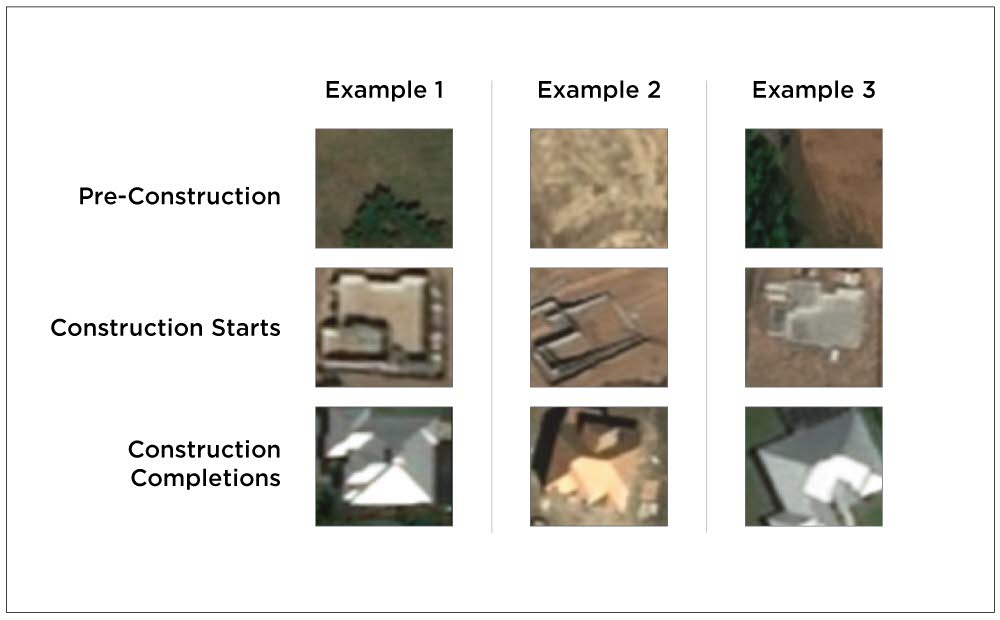
The Census Bureau tracks three main phases of residential construction: permit, start, and completion. A permit authorizes the project. A start is marked by excavation for footings or a foundation. A completion is recorded when finished flooring is installed. Each phase creates electrical work opportunities: permits trigger rough-in scheduling, starts require temporary power and underground conduit, and completions drive trim-out, device installation, and final inspections.
0
1
Tags
Electrical Contracting Business Operations
Running an Electrical Contracting Business Course
Related
Census Monthly Building Permit Survey for County-Level Market Data
Construction Phase Sequence From Permit to Completion
A building permit issued by a city or county guarantees that the construction project will be completed.
You are reviewing local city data and notice a steady increase in the number of residential building permits issued over the last six months. How should you interpret this information when planning for your electrical contracting business?
As an electrical contractor, how should you apply building permit data to your business strategy? Match each local building permit trend with the most appropriate operational response.
You are an electrical contractor analyzing local market data to prepare for upcoming demand. Arrange the following steps to demonstrate how you would use building permit trends as a leading indicator to scale your operations.
You are evaluating the financial risk of immediately hiring new apprentice electricians based solely on a sudden spike in local building permits. You decide to delay hiring and monitor the market instead, correctly judging that while permits serve as a valuable ____ indicator of future construction activity, they do not guarantee that every permitted house will actually be built.
You are drafting a business plan to secure a small business loan for your electrical contracting company. You need to write a justification for why you are requesting funds to expand your inventory and workforce now. Which of the following paragraphs should you construct to best synthesize the concept of building permits as a leading indicator into your proposal?
A rising trend in local residential building permits is considered a 'leading indicator' because it signals that construction projects—and the demand for electrical wiring—are likely to begin in the months ahead.
Arrange the following events to demonstrate the logical progression of how building permits serve as a forecasting tool for an electrical contracting business.
As an electrical contractor, you must interpret public data to guide your business strategy. Match each scenario involving building permits to the most appropriate business action.
An electrical contractor is analyzing local market data to guide next quarter's hiring strategy. They observe that while recently completed home sales remain high, the number of newly issued residential ____ has dropped by 15%. Recognizing this specific metric as a critical leading indicator, the contractor deduces that fewer new construction projects will be starting soon and decides to pause hiring for rough-in wiring crews.
An electrical contracting business owner is deciding between two adjacent counties to expand their new residential wiring services next year. County A currently shows high rates of completed home sales, but new residential building permits have dropped by 20% over the past six months. County B shows stagnant completed home sales, but new residential building permits have steadily increased by 15% over the same period. The owner decides to invest heavily in marketing and hiring specifically for C
An electrical contractor is reviewing market data to decide where to allocate their 6-month marketing budget for new residential rough-in services. They are choosing between two regions:
- Region A: Reports a record high in 'New Home Sales' and 'Completed Constructions' for the current month.
- Region B: Reports a significant 25% spike in 'Building Permits' issued this month, although actual home sales are currently flat.
The contractor decides to invest heavily in Region A, arguing that high
An electrical contractor must be able to translate market signals into business planning. Match each characteristic of building permit data to the correct interpretation of what it means for your business operations.
An electrical contractor reviewing local market data observes a consistent upward trend in 'Building Permits' issued in their target service area. Referring to the construction data stages shown in the image, which business decision demonstrates the most effective application of this trend?
Based on the construction lifecycle shown in the provided image, why is the issuance of a 'Building Permit' considered a leading indicator for an electrical contractor’s future workload?
Learn After
Match each residential construction phase with the electrical work opportunity it typically creates.
A general contractor calls to tell you they have a new residential project coming up and want to schedule your electrical crew at the right times. Arrange the following construction milestones in the order they occur, from earliest to latest.
A general contractor informs you that excavation for the foundation has just begun on a new residential lot. As the electrical contractor, which of the following tasks should you mobilize your crew to perform for this specific phase of construction?
You are analyzing a proposed project timeline from a general contractor for a new residential build. The schedule mandates that your electrical crew should install temporary power and underground conduit immediately after the installation of finished flooring. This timeline correctly aligns your operational workflow with the standard phases of residential construction.
As the owner of an electrical contracting business, you are evaluating a general contractor's timeline to determine if it is safe to schedule your crew for final trim-out and device installation. The contractor insists the site is ready because all drywall and painting are done. You decide to delay mobilization, correctly justifying your decision by pointing out that the project is not officially in the completion phase until the installation of finished ______ has occurred.
You are building a master crew-scheduling template that your office will use for every new residential construction project. The template must list the three major construction phases as scheduling triggers and assign the correct electrical tasks under each phase so your crews know exactly what to mobilize for. Which of the following draft templates correctly organizes all electrical tasks under their proper construction-phase triggers?
According to the standard sequence of residential construction tracking, which physical milestone officially defines the 'Start' phase of a project?
When an electrical contractor reviews residential construction data to project upcoming labor needs, they must focus on the three official milestones used for industry tracking. According to the Census Bureau's tracking standards, which of the following is NOT one of the three main phases of residential construction?
As the owner of an electrical contracting business, you subscribe to a lead-tracking service that notifies you whenever a building permit is authorized for a new residential project in your county. You receive an alert for a new multi-family housing complex. According to the standard construction phase sequence, how should you apply this information to your company's operational schedule?
You are designing a 'Project Staging and Mobilization Plan' for your electrical contracting business to ensure that materials and labor are deployed only when a job site is physically ready. To align your business operations with industry tracking standards (as illustrated in the provided diagram), which of the following plan designs correctly integrates the three construction phases with your company's operational gates?