
Legal Formation and Licensing
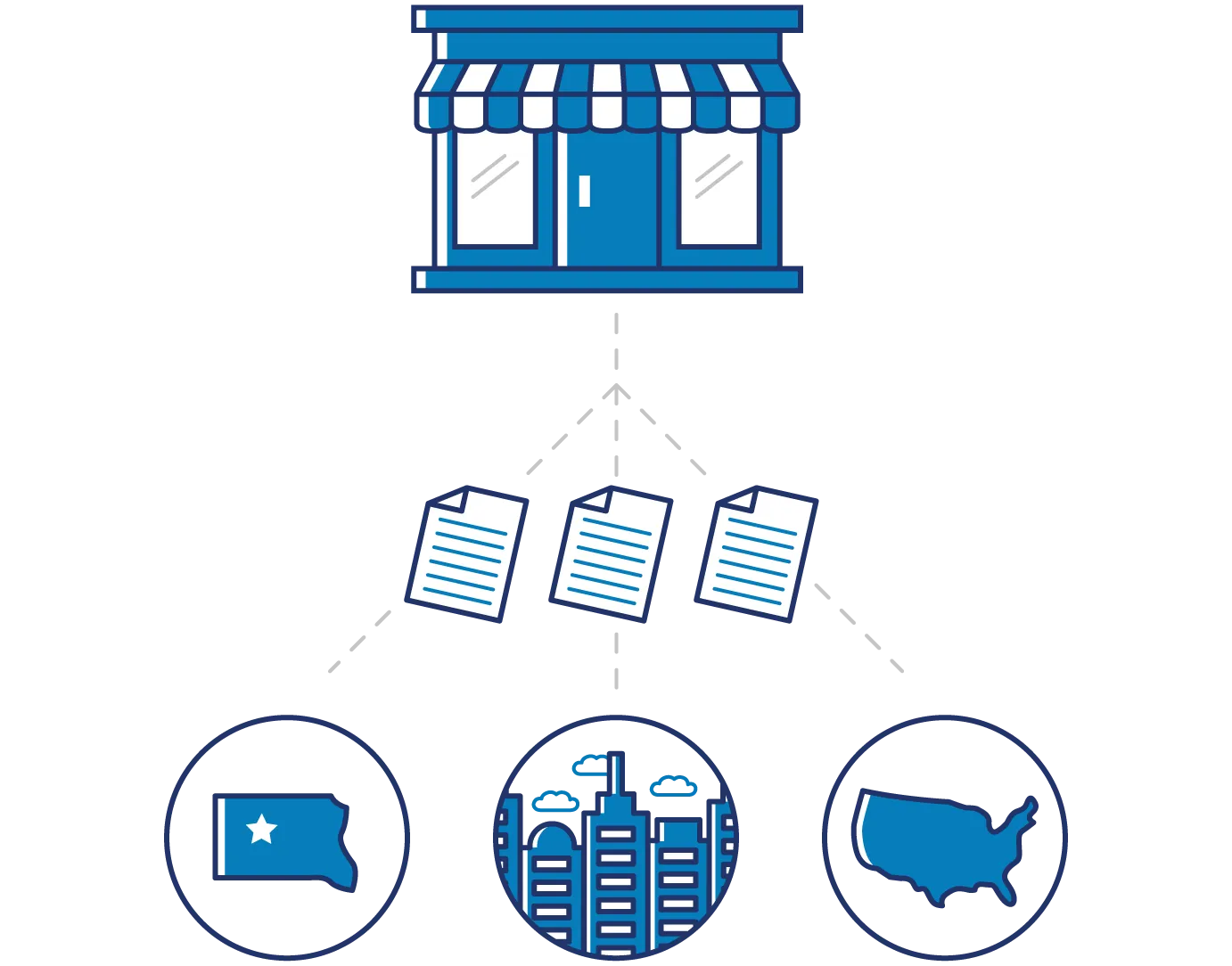
Legal formation and licensing for an electrical contracting business means setting up the business legal identity, registering where required, obtaining tax identification, handling trade-name filings, and verifying state and local permission to offer electrical contracting services. These tasks are jurisdiction-dependent: forming or registering the business is not the same as being authorized to perform electrical contracting work.
0
1
Tags
Electrical Contracting Business Operations
Running an Electrical Contracting Business Course
Related
Electrician Business Course References
Owner-Operator Foundations
Business Models and Positioning
Legal Formation and Licensing
Permits, Inspections, and AHJ Workflow
Safety, OSHA Basics, and Field Risk
Pricing, Overhead, and Profit
Insurance, Bonding, and Risk Transfer
Electrical Estimating Workflow
NEC and Code Compliance as a Business Obligation
Proposal Writing and Sales Process
Bookkeeping and Accounting Systems for Electrical Contractors
Contracts, Scope Control, and Change Orders
Project Cost Tracking and Operations Metrics
Payroll, Labor Rules, and Benefits
Packaged Electrical Service Offerings
Electrical Service Scheduling and Dispatch Workflow
Material Control for Electrical Contractors
Customer Service Communication for Electrical Contractors
Managing Tools, Vehicles, and Equipment in an Electrical Contracting Business
What Electrical Contractors Do at Project Closeout
Marketing, Sales, and Lead Management
Field Service Management Software for Electrical Contractors
Cash Flow Management for Electrical Contractors
Learn After
Electrical Contractor Formation and Licensing Sequence
Business Structure Choice for Electrical Contractors
State Business Registration for Electrical Contractors
Business Registration Versus Electrical Contracting Permission
When setting up your new electrical contracting company, what is important to remember about forming your business entity versus obtaining your electrical licenses?
A new electrical contractor is preparing to launch their business. Arrange the following legal setup steps in the order they should typically be completed.
Match each practical business startup scenario to the correct legal or licensing category it represents.
An entrepreneur reviewing their startup checklist confirms that their new electrical company has been officially registered as an LLC with the state and has been issued an Employer Identification Number (EIN). Based on this completed legal and tax formation, the business is now legally authorized to bid on projects, pull permits, and perform electrical installations.
An entrepreneur asks you to evaluate their readiness to launch an electrical contracting business after they have successfully formed an LLC, secured an EIN, and registered a trade name. You determine their launch plan is critically flawed and they cannot legally offer services yet because they have confused general business formation with the jurisdiction-dependent requirement to hold a specific electrical trade ____.
You are building a complete legal-compliance startup checklist for a friend who wants to launch an electrical contracting company in a new state. Your checklist must cover every major category of legal formation AND authorization to perform electrical work. Which of the following checklists that you could design would be the most comprehensive and correct?
What is the term for the specific registration that allows an electrical contractor to legally conduct business under a trade name (such as 'Expert Electrical Services') that is different from their own legal name or their corporation's legal name?
Mark has successfully registered his company, 'High Volt Electric LLC,' with the state, obtained his Federal Employer Identification Number (EIN), and opened a business bank account. He is now preparing to bid on his first residential project. Which action must Mark take to ensure he is legally authorized to pull permits and perform the actual electrical installations for this job?
Sarah is starting her own electrical contracting business. She is concerned that if the company faces a lawsuit or goes into debt, her personal assets—like her home and savings—could be seized. Which legal formation step should Sarah take to create a separate legal identity for her business and protect her personal assets?
You have registered your electrical business legal name as 'PowerPro Electric LLC,' but you want your service vans and invoices to display the name 'Fast-Fix Electrical.' To legally accept and deposit customer checks made out to 'Fast-Fix Electrical' into your business bank account, which document must you provide to your bank?
When starting an electrical contracting business, which statement correctly describes the relationship between business registration (legal formation) and professional licensing?
Starting an electrical contracting business requires navigating different legal and professional requirements. Match each administrative step with its primary purpose for the business.
An electrician is transitioning from being an employee to starting their own company. Arrange the administrative steps in the correct logical order required to establish the business legally and obtain the professional authority to pull permits.
An entrepreneur completes the state-level process of 'Registering a business' (as shown in the provided image) to form an LLC and obtains a federal Tax ID. True or False: This administrative registration process is distinct from professional licensing and, on its own, does not authorize the entrepreneur to perform electrical work or pull permits.
When evaluating the legal readiness of an electrical startup, a contractor must conclude that the administrative step of 'Register your business' (as shown in the stimulus image) is ____ for the purpose of obtaining the legal authority to pull permits or perform trade-specific electrical work.
You are designing the administrative roadmap for a new venture, 'Current-Tech Solutions LLC'. You plan to operate in your home state, but you also intend to market a specialized sub-brand called 'Residential Rewire Pros' and perform work in a neighboring municipality that requires its own local business permit. Based on the administrative step shown in the provided image, which set of requirements must you synthesize to create a complete, legally authorized framework to pull your first electrica
The specific administrative requirements for starting an electrical business are described as being ____-dependent, meaning they vary based on the state or local government where you operate.
True or False: The 'jurisdiction-dependent' nature of starting an electrical contracting business implies that a contractor can rely on a single, universal set of rules for business formation and licensing that applies across all states and municipalities.
You are launching a new company called 'Voltaic Electric' as a Limited Liability Company (LLC), but you plan to market your services under the name 'The Home Rewire Pros'. You also need to open a business bank account and prepare to pull permits for city projects. Match each administrative step with the specific business requirement it fulfills.
An electrician is transitioning from being an employee to owning a legally recognized contracting company. To achieve full operational status—including the ability to open business bank accounts and legally pull trade permits—the entrepreneur must navigate a series of registrations where each step's output serves as a logical prerequisite for the next. Based on the requirements for 'Legal Formation and Licensing', arrange these administrative actions in the correct sequence of logical dependency