
Service Van Upfitting Sequence for Electrical Contractors
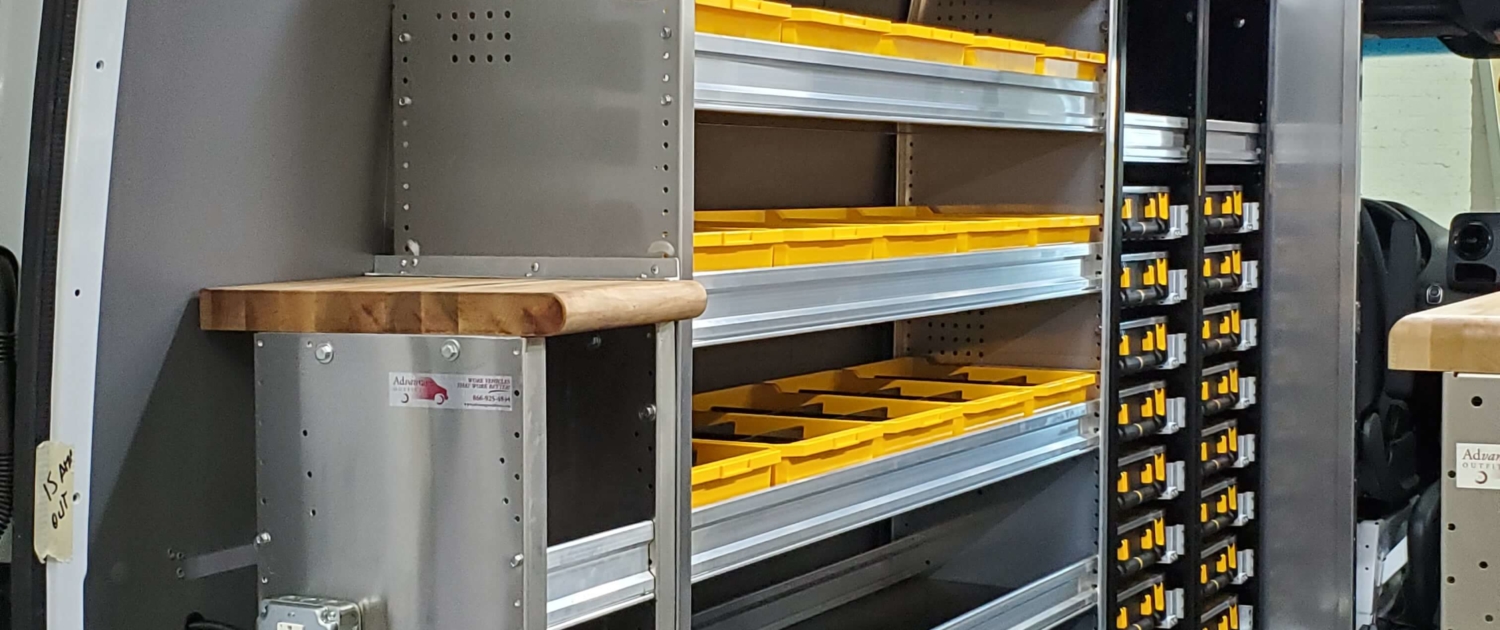
Upfitting a service van follows a layered sequence so each installation supports the next. First, install interior liners on walls, floor, and ceiling to protect the vehicle body, reduce road noise, and improve temperature control. Second, add a partition (bulkhead) between the cab and cargo area to protect occupants from shifting tools in a collision. Third, install industry-specific shelving packages. Fourth, add accessories such as drawers, bins, hooks, and cab organizers. Fifth, mount roof-mounted ladder racks to free interior space. Finally, install exterior running boards for safe entry in wet or muddy conditions.
0
1
Tags
Electrical Contracting Business Operations
Running an Electrical Contracting Business Course
Related
Core Field Tool Kit for Electrical Service Work
Service Van Upfitting Sequence for Electrical Contractors
When building a fleet and tool inventory for an electrical contracting business, what must a business owner balance against the productivity gains of having more equipment?
Match each asset management practice with its primary purpose in an electrical contracting business.
Maintaining accurate calibration records for test equipment is primarily important because it helps electrical contractors maximize the resale value of their tools.
An electrical contractor has just purchased a high-value power quality analyzer for their service fleet. To properly implement tool accountability and ensure the asset is fully managed before deployment, arrange the steps they should take in the correct operational sequence.
An electrical business owner performs a root-cause analysis to understand a sudden spike in equipment replacement costs. After ruling out external theft because the job sites are fully secure, the owner discovers that crews are constantly handing off specialized crimpers and rotary hammers to one another without using any sign-out logs or assignment tags. To stop these operational losses, the owner must implement strict tool ______, ensuring a specific employee is officially responsible for each
Three electrical contractors each run a five-person crew and are growing at a similar rate. They each describe their asset management approach:
Contractor A finances top-of-the-line tools and vehicles for every crew member but does not use sign-out sheets, calibration logs, or a preventive maintenance schedule. When tools break or go missing, replacements are purchased immediately on credit.
Contractor B buys mid-range tools and one reliable service van per crew. Every tool is engraved with an
When managing assets in an electrical contracting business, proper record-keeping of tools, test equipment, and vehicles is essential for which of the following administrative purposes?
Match each asset management practice with its primary purpose within an electrical contracting business.
You are preparing a new service van for a newly hired electrician. To implement proper fleet and asset management principles, arrange the following setup steps in the correct logical sequence from initial acquisition to field deployment.
When analyzing the financial impact of upgrading to a fleet of brand-new service vans, an electrical contractor can safely assume that the resulting increase in field productivity will automatically improve overall profitability, making it unnecessary to weigh those gains against the new costs of debt service, commercial auto insurance, and preventive maintenance.
After a series of failed inspections caused by inaccurate test equipment, an electrical contracting owner evaluates their asset management protocols. The owner judges the current system to be critically defective because, although it tracks which electrician has the meters, it completely lacks ______ records, which are necessary to prove the equipment has been regularly tested and adjusted for accuracy.
You are designing a comprehensive asset management strategy for your growing electrical contracting business to balance productivity gains against the costs of maintenance, debt, and insurance. Which of the following protocols should you construct to best synthesize tool accountability, preventive maintenance, and compliance?
You have just invested in upfitting your service vans with organized shelving and storage systems, as shown in the image. To best apply asset management principles that ensure these vehicles remain productive assets rather than liabilities, which recurring protocol should you implement for your field technicians?
You are constructing a new 'Asset Management System' for your electrical business’s service vans (as shown in the image). Arrange the following steps in the correct logical order to design this system from initial physical organization to ongoing field verification.
You are designing a 'Standardized Van Upfitting and Asset Organization Plan' to be used for every new vehicle in your electrical contracting fleet (as illustrated by the organized shelving in the image). To construct a specification that optimizes technician workflow, protects your equipment investment, and ensures tool accountability, which suite of design elements should you include in your master plan?
An electrical contractor implements a strict new tool-tracking system that successfully reduces the company's annual tool loss from $5,000 down to $1,000. However, the system requires technicians to spend time on daily inventory logs, costing the company an estimated $12,000 per year in wages for time that could have otherwise been spent on billable customer projects. How should the contractor evaluate the overall effectiveness of this asset management strategy?
Learn After
Van Shelving Types for Electrical Contractor Vehicles
Place the following service van upfitting steps in the correct order, from what should be installed first to what should be installed last.
When upfitting a new service van for your electrical contracting business, it is recommended to install interior liners and a bulkhead partition before adding shelving or accessories. Which of the following best explains the practical reasoning behind this sequence?
As a new electrical contractor outfitting your fleet, match each operational scenario to the specific van upfitting component that resolves it.
Following a sudden hard brake, an electrical contractor finds that heavy tools have shifted from the cargo area into the driver's cab. Analyzing the vehicle's setup, this safety failure indicates that the contractor proceeded to install shelving and store tools without first installing a partition (bulkhead).
An electrical contractor is evaluating a vendor's proposed van upfitting schedule that jumps directly from installing interior liners to mounting shelving packages. Recognizing a severe safety liability, the contractor rejects the proposal, stating that to protect the cab's occupants from shifting tools in a collision, the vendor must insert the installation of a ____ into the sequence before the shelving.
You are a fleet management consultant designing a standardized 'Upfitting Workflow' for a new electrical contracting startup. To minimize labor hours and ensure the vehicle's structural integrity is maintained, you must create a sequence where each installation provides the foundation for the next without requiring any rework. Construct this workflow by ordering the following tasks from the first foundational layer to the final external addition.
A new electrical contractor decides to skip the installation of interior liners and a bulkhead to save money for higher-end power tools, arguing that since these components are 'invisible' to the customer, they provide no real business value. Evaluate the validity of this decision from a long-term business management perspective.
An electrical contracting business is preparing to upfit a newly purchased service van. How does the recommended 'layered' upfitting sequence logically structure this process?
You are designing a standardized 'Fleet Preparation Protocol' for your new electrical contracting company to transform bare cargo vans into the professional mobile workspace shown in the image. To ensure a 'no-rework' construction process where each installation layer provides a foundation for the next, which phased implementation strategy should you specify in your business's operations manual?
You are setting up your first electrical service van and have just finished installing the protective interior wall liners and the safety bulkhead partition. To continue following the professional upfitting sequence shown in the image, which component should you install next before you move on to adding storage accessories or exterior upgrades?