
Federal Statistics Sources for Contractor Market Research
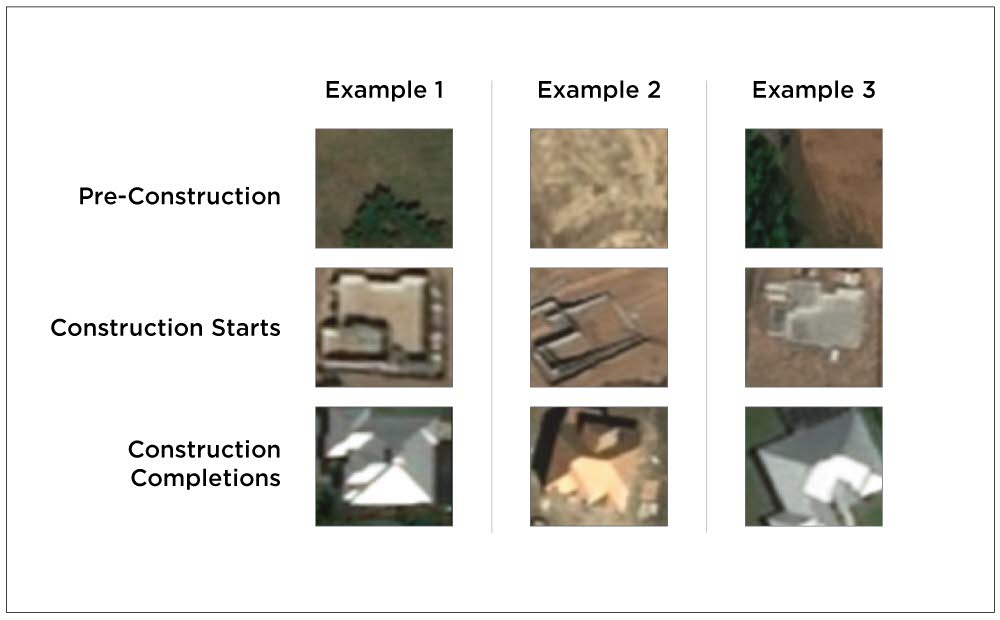
The U.S. Census Bureau publishes several data programs that help contractors gauge local construction demand. The Monthly Building Permit Survey (BPS) collects permit data from local jurisdictions and, following a recent redesign, now produces estimates at the county and metro-area level rather than only at the state level. The Survey of Construction (SOC) tracks housing starts and completions. Together these programs feed the New Residential Construction (NRC) report, one of the government's Principal Federal Economic Indicators. An electrical contractor can use free BPS tables to compare permit volumes across neighboring counties when choosing a service area.
0
1
Tags
Electrical Contracting Business Operations
Running an Electrical Contracting Business Course
Related
Competitive Analysis for Electrical Contractor Market Entry
Federal Statistics Sources for Contractor Market Research
Housing Market Cycles and Electrical Contractor Demand
The SBA's recommended market research framework for service businesses covers only customer demand and market size, without addressing what competitors charge or how many similar providers already operate in the area.
An electrical contractor is using the SBA market research framework to replace guesswork with evidence before launching their business. Match each of the SBA's fundamental research questions to the practical, data-gathering action that answers it.
An electrician wants to start a new contracting business and reviews the Small Business Administration's six key market research questions. Based on the framework's goals, what is the main reason an electrical contractor should thoroughly answer these questions using local data before opening their doors?
An electrical contractor is using the SBA market research framework to evaluate a new territory before launching their business. Analyze the logical dependencies of the framework's questions to arrange these research activities in the correct order, moving from broad market viability down to specific competitive constraints.
A prospective electrical contractor is evaluating a peer's advice to 'just charge $150 an hour, since that is the national average.' Applying the SBA market research framework, the contractor rejects this guesswork because it ignores local market realities. To critically evaluate whether this pricing strategy is actually viable and will attract clients in their specific town, they must gather evidence to determine what potential customers currently ______.
A fellow electrician asks you to help them design a complete, evidence-based market research checklist before they launch a new contracting business. They want a single document that covers every dimension the SBA recommends investigating for a service business. Which of the following drafted checklists correctly synthesizes all six recommended research dimensions into a complete plan?
As an aspiring electrical contractor, you are tasked with creating a 'Market Viability Study' to decide where to launch your business. Using the SBA Market Research Framework and data-driven methods like those illustrated in the Census Bureau construction data image, which of the following integrated research plans successfully synthesizes the necessary local evidence to provide a complete picture of your market's potential?
An electrical contractor is analyzing the 'Census Bureau construction data' (linked below) and identifies a high volume of 'Residential Improvements' in their target area. At the same time, their research into local economic indicators shows that the regional average household income has declined significantly following the closure of a major local employer.
How should the contractor analyze the relationship between these two findings to determine market viability?
When using the SBA Market Research Framework to evaluate demand, an electrical contractor must identify data that reflects their specific niche. Using the provided Census Bureau construction data diagram, which category most directly indicates the level of market demand for services like electrical panel upgrades, kitchen rewiring, and home additions?
An electrical contractor who must charge at least $125 per hour to cover their licensing overhead and business expenses is evaluating two potential service areas using the SBA Market Research Framework:
- Area 1: There are no other licensed electricians nearby (Low Saturation), but local economic indicators show a low median income, and residents currently pay an average of $65 per hour for electrical work.
- Area 2: There are twelve established competitors (High Saturation), but the
Learn After
Building Permits as a Leading Indicator of Local Construction Activity
When deciding on a service area for your electrical contracting business, you want to compare the volume of building permits issued across neighboring counties. Which U.S. Census Bureau data program provides this specific local jurisdiction data?
The Monthly Building Permit Survey and the Survey of Construction together feed into the ____ report, which is one of the government's Principal Federal Economic Indicators used to gauge residential construction demand.
Match each U.S. Census Bureau data source or report with the type of information it provides to help contractors gauge construction demand.
You are an electrical contractor trying to decide whether to target County A or County B for a new marketing campaign based on planned new home builds. To compare specific permit volumes between these two neighboring counties, you should rely on the Survey of Construction (SOC).
To effectively leverage federal statistics for market research, an electrical contractor must understand how local data feeds into broader reports. Analyze the relationship between the Census Bureau's data programs by arranging the following stages in the logical sequence of data progression, from initial local collection to the final economic indicator.
An electrical contractor reviews free Monthly Building Permit Survey (BPS) tables and finds that County A issued 1,200 single-family building permits last year while neighboring County B issued only 400. The contractor concludes: 'County A is clearly the better service area because it has three times the permit volume, so I should focus all my marketing there.' Which of the following is the strongest critique of this contractor's reasoning?
Imagine you are developing a data-driven strategy to expand your electrical business into a new county. To create a research workflow that minimizes risk and maximizes your marketing budget, which of the following plans best synthesizes U.S. Census Bureau resources?
An electrical contractor specializing in new residential installations has decided to expand their service area into a neighboring county only if that county authorizes an average of at least 50 new residential units per month. To apply U.S. Census Bureau data to verify if a specific county meets this business growth threshold, which action should the contractor take?
Before its recent redesign, the U.S. Census Bureau’s Monthly Building Permit Survey (BPS) was limited for local market research because it only provided construction estimates at which geographic level?
An electrical contractor uses the Monthly Building Permit Survey (BPS) to find counties with a high volume of new residential authorizations. Why is it important for the contractor to also consult the Survey of Construction (SOC) when evaluating these markets?