
Learn Before
SBA Market Research Framework for Electrical Contractors
The U.S. Small Business Administration recommends answering six questions before launching a service business: (1) Is there demand for your service? (2) How large is the market? (3) What are local economic indicators such as income range and employment rate? (4) Where do target customers live and what can your business reach? (5) How saturated is the market with similar providers? (6) What do potential customers currently pay? For an electrical contractor, working through these questions with local data replaces guesswork with evidence and reduces the risk of entering an area that cannot support another provider.
0
1
Tags
Electrical Contracting Business Operations
Running an Electrical Contracting Business Course
Related
Electrical Contractor Business Model
First Customer Segment for an Electrical Contractor
SBA Market Research Framework for Electrical Contractors
What is the primary purpose of defining your business model and positioning when starting a new electrical contracting company?
Match each type of electrical contracting work with the description that best fits how it operates day to day.
Market Research
Business Model
Marcus has just launched his electrical contracting business. To quickly maximize revenue, he advertises that his company handles small residential service calls, large commercial build-outs, and specialized industrial machine maintenance across a 100-mile radius. Based on the principles of business positioning, this is an effective strategy for a new contractor.
A new electrical contractor is trying to establish a focused business model to avoid the common mistake of serving every market at launch. Analyze the dependencies between the core elements of business positioning and arrange the following decisions in the most logical sequence, where each step logically builds upon the one before it.
A business consultant evaluates a struggling, newly launched electrical contracting firm that is rapidly depleting its capital. The owner is dispatching technicians to small residential service calls, bidding on large commercial projects, and attempting complex industrial maintenance across a 150-mile radius. The consultant critiques this 'take any job' strategy as highly unsustainable, concluding that the owner's fundamental flaw is the lack of a defined ____ to purposefully choose the specific
You are drafting the launch plan for a brand-new, one-truck electrical contracting company in a mid-sized city. You have limited capital, one licensed electrician (yourself), and one apprentice. You need to design a focused business model that specifies the type of work you will sell, the customers you will target first, your service area, and the competitive advantage you will emphasize. Which of the following draft plans best synthesizes these four elements into a coherent, sustainable busines
Match each component of business positioning with the specific decision it determines for an electrical contractor.
If an electrical contractor decides to pivot their business model from 'Residential Service Calls' to 'Commercial Project Work,' which of the following best describes the shift they must make in their daily operations?
A new electrical contractor with one truck and limited cash reserves plans to position their business as the 'Lowest Price Leader' for large commercial construction projects. Critique the validity of this business positioning for a startup.
A new electrical contractor is evaluating two different business models: 'Emergency Service' and 'Maintenance Contracts.' Which of the following best explains how these models differ in their impact on the business's scheduling and cash flow?
Before starting an electrical contracting business, you should gather and analyze information about local demand for electrical services, competitor pricing, and customer preferences. This process is known as ____.
SBA Market Research Framework for Electrical Contractors
As a newly licensed electrical contractor, you know that understanding your local area is crucial before launching your business. Which of the following activities best demonstrates conducting 'market research'?
As an electrical contractor, you must apply market research to make informed business decisions. Match each specific business decision with the most appropriate market research activity you should conduct to gather the necessary information.
Arrange the following steps in the most logical order an electrical contractor should follow when conducting market research to decide whether to open a new branch in a neighboring city.
When conducting market research to decide whether your electrical contracting business should offer high-end smart home installations in a specific neighborhood, relying exclusively on national electrical industry growth statistics is a sufficient strategy for evaluating local demand.
As an electrical contractor, you are planning to expand your residential services to include commercial property maintenance. You need to formulate a comprehensive market research plan to evaluate the viability of this expansion in your city. Which of the following proposed plans represents the most complete and effective strategy for gathering and interpreting the necessary market data?
In the context of starting an electrical contracting business, which set of activities correctly defines the process of 'market research'?
Through market research, you discover that a specific neighborhood in your service area consists mostly of houses built in the 1950s that still have original fuse boxes and ungrounded wiring. Which of the following business actions represents the most effective application of this research finding?
You are considering specializing your electrical business in a new niche: EV (Electric Vehicle) Charging Station installations for multi-unit apartment complexes. To determine if this is a viable long-term strategy before investing in specialized equipment and certification, you need to design a market research plan. Which of the following plans represents the most effective synthesis of research activities to validate this specific business opportunity?
An electrical contractor is evaluating the market demand for a new backup-generator installation service. They decide to survey 50 local homeowners with the following question: 'If your neighborhood experienced a major power outage, would you prefer to have a backup generator installed?'
Which of the following represents the most sound evaluation of this research method?
Learn After
Competitive Analysis for Electrical Contractor Market Entry
Federal Statistics Sources for Contractor Market Research
Housing Market Cycles and Electrical Contractor Demand
The SBA's recommended market research framework for service businesses covers only customer demand and market size, without addressing what competitors charge or how many similar providers already operate in the area.
An electrical contractor is using the SBA market research framework to replace guesswork with evidence before launching their business. Match each of the SBA's fundamental research questions to the practical, data-gathering action that answers it.
An electrician wants to start a new contracting business and reviews the Small Business Administration's six key market research questions. Based on the framework's goals, what is the main reason an electrical contractor should thoroughly answer these questions using local data before opening their doors?
An electrical contractor is using the SBA market research framework to evaluate a new territory before launching their business. Analyze the logical dependencies of the framework's questions to arrange these research activities in the correct order, moving from broad market viability down to specific competitive constraints.
A prospective electrical contractor is evaluating a peer's advice to 'just charge $150 an hour, since that is the national average.' Applying the SBA market research framework, the contractor rejects this guesswork because it ignores local market realities. To critically evaluate whether this pricing strategy is actually viable and will attract clients in their specific town, they must gather evidence to determine what potential customers currently ______.
A fellow electrician asks you to help them design a complete, evidence-based market research checklist before they launch a new contracting business. They want a single document that covers every dimension the SBA recommends investigating for a service business. Which of the following drafted checklists correctly synthesizes all six recommended research dimensions into a complete plan?
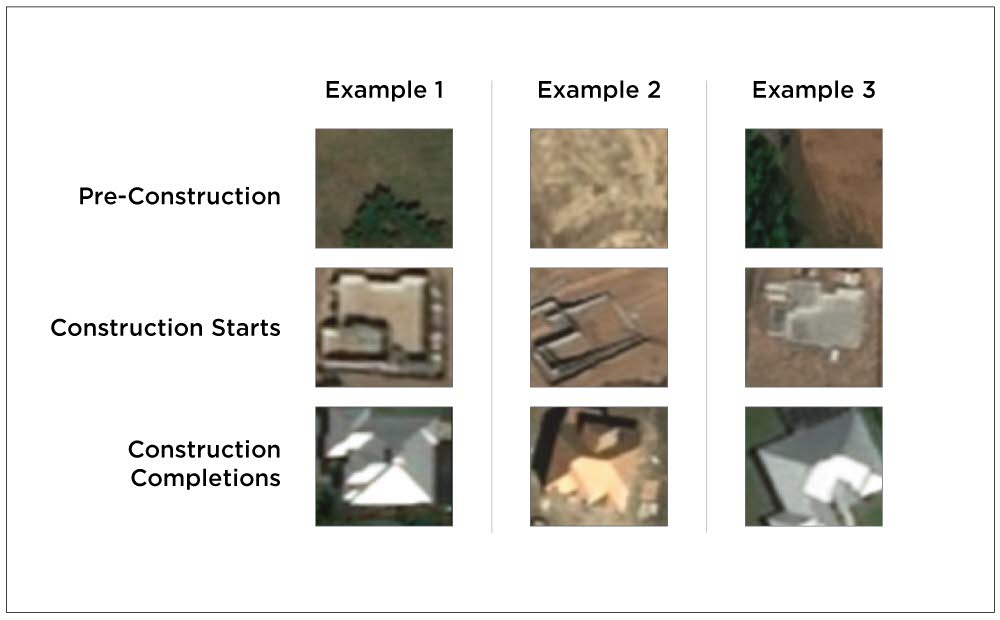
As an aspiring electrical contractor, you are tasked with creating a 'Market Viability Study' to decide where to launch your business. Using the SBA Market Research Framework and data-driven methods like those illustrated in the Census Bureau construction data image, which of the following integrated research plans successfully synthesizes the necessary local evidence to provide a complete picture of your market's potential?
An electrical contractor is analyzing the 'Census Bureau construction data' (linked below) and identifies a high volume of 'Residential Improvements' in their target area. At the same time, their research into local economic indicators shows that the regional average household income has declined significantly following the closure of a major local employer.
How should the contractor analyze the relationship between these two findings to determine market viability?
When using the SBA Market Research Framework to evaluate demand, an electrical contractor must identify data that reflects their specific niche. Using the provided Census Bureau construction data diagram, which category most directly indicates the level of market demand for services like electrical panel upgrades, kitchen rewiring, and home additions?
An electrical contractor who must charge at least $125 per hour to cover their licensing overhead and business expenses is evaluating two potential service areas using the SBA Market Research Framework:
- Area 1: There are no other licensed electricians nearby (Low Saturation), but local economic indicators show a low median income, and residents currently pay an average of $65 per hour for electrical work.
- Area 2: There are twelve established competitors (High Saturation), but the