
Learn Before
Tools and Equipment Coverage for Mobile Electrical Assets
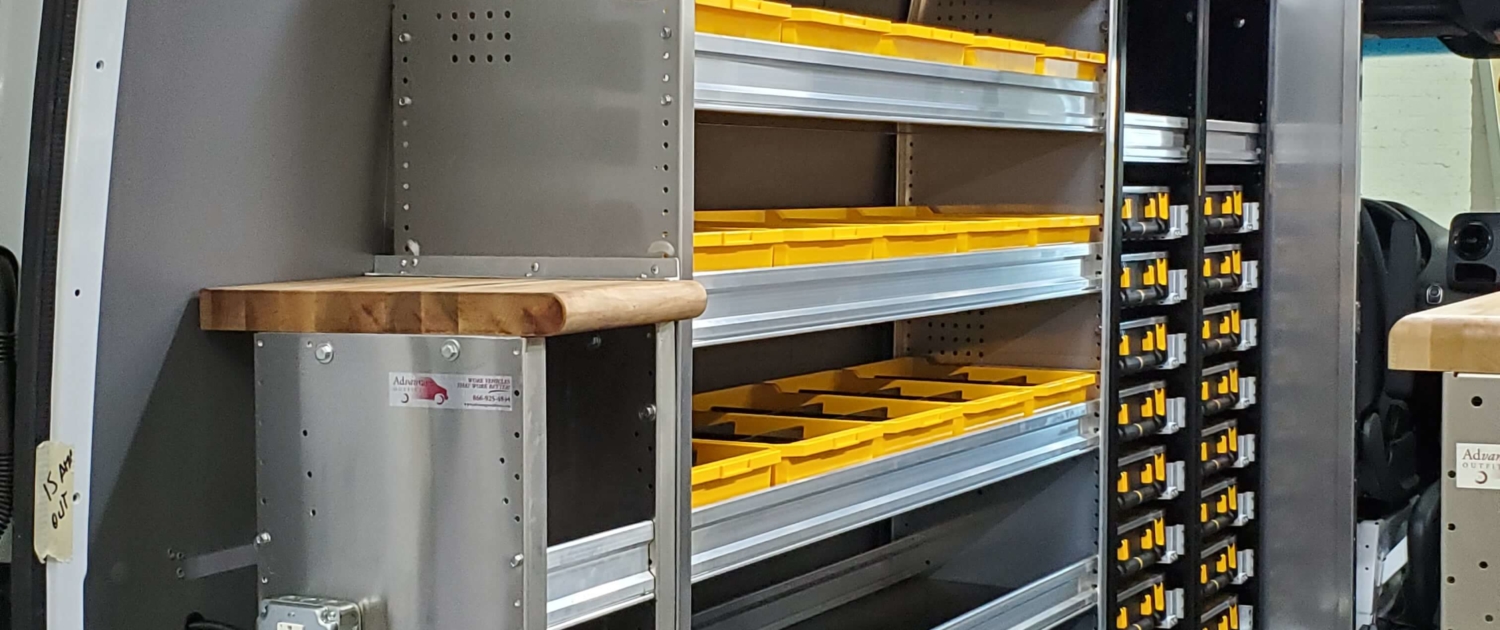
Tools and equipment coverage protects contractor tools, equipment, and sometimes materials that move between job sites rather than staying permanently at one business location. For an electrical contractor, this matters because stolen or damaged tools can stop work, delay jobs, and create replacement costs that should be reviewed with the insurance agent.
0
1
Tags
Electrical Contracting Business Operations
Running an Electrical Contracting Business Course
Related
Contractor Liability Risk in Insurance
Workers Compensation Insurance for Electrical Contractor Employees
Commercial Auto Insurance for Electrical Contractor Vehicles
Tools and Equipment Coverage for Mobile Electrical Assets
Professional Liability Coverage for Electrical Design or Advice Work
Umbrella Insurance for Larger Contractor Liability Limits
According to SBA guidance, what is the correct order of steps an electrical contractor should follow when obtaining business insurance?
An electrical contractor is preparing to start accepting larger commercial jobs and plans to hire two new apprentices. Why should the contractor schedule a business insurance review with a licensed agent rather than simply keeping their current, basic liability policy?
As your electrical contracting business grows, you must communicate specific changes to your licensed insurance agent to ensure your coverage matches your actual exposures. Match each business scenario to the specific category of information you must discuss during your business insurance review.
An electrical contractor has maintained the exact same annual revenue, vehicle fleet size, and number of employees over the past two years. However, they recently shifted their primary operations from standard residential wiring to complex commercial warehouse installations. Based on the principle of matching coverage to actual exposures, the contractor's decision to forgo a business insurance review is justified because their core quantifiable business metrics (revenue, vehicles, and headcount)
A contractor expanded their services from standard residential wiring to heavy commercial installations, but chose to keep their original insurance policy unchanged to save money. This decision is deeply flawed because the contractor failed to schedule a formal business insurance ____ with a licensed agent to properly match their coverage to their new, actual exposures.
You are expanding your electrical contracting business from residential service calls to industrial plant maintenance. To ensure your new risks are fully covered, you must construct a comprehensive risk profile to present during your insurance review. Arrange the steps below in the correct logical sequence to synthesize your business data into a finalized insurance plan.
According to the provided guidance, what is the primary goal of describing your job locations, employees, and vehicles to a licensed insurance agent during a review?
A new electrical contractor is comparing two different methods for their upcoming business insurance review with a licensed agent.
Method A: Providing a summary of total projected revenue and asking for the 'most affordable' policy that meets local licensing laws. Method B: Providing a comprehensive description of their specific job locations, employee driving records, and the specialized tools they will use on high-voltage sites.
Which of the following is the most valid evaluation of these me
The video states that there is no 'one-size-fits-all' insurance for contractors. Which of the following best explains why an electrical contractor should provide a detailed description of their specific work, locations, and customers during a review with a licensed agent?
Based on the recommendations for small businesses, which professional should an electrical contractor consult to find the right insurance coverage for the best price?
Learn After
As an electrical contractor, which of the following best describes what tools and equipment coverage protects?
True or False: Tools and equipment coverage (also known as inland marine insurance) is designed to protect items like power tools, equipment, and building materials that are permanently stored at a contractor's main office or warehouse.
Match each electrical contracting scenario to the type of insurance coverage that would best protect the assets involved.
As an electrical contractor, you are conducting a risk analysis to determine your need for tools and equipment coverage. Arrange the following steps in the most logical sequence to evaluate and address this specific operational risk.
As an electrical contractor auditing your firm's risk exposure, you determine that relying solely on a standard commercial property policy leaves your operations highly vulnerable. After evaluating the severe financial impact of potentially replacing stolen service van contents out-of-pocket, you conclude that you must specifically secure _____ coverage to protect the expensive assets frequently moving between your various job sites.
You are launching a new electrical contracting business and need to design a mobile asset tracking sheet that your crew will use every week. This sheet must give your insurance agent the information needed to properly set coverage limits for the tools, equipment, and materials that travel between your job sites. Which of the following sheet designs best combines the elements necessary to support accurate coverage for these mobile assets?
Which statement accurately describes the purpose of tools and equipment coverage for an electrical contracting business?
An electrical contractor's expensive wire-pulling equipment is stolen from a locked work van parked overnight at a client's job site. This loss is covered under tools and equipment coverage because the items were mobile and not permanently stored at the contractor's main office.
As an electrical contractor, you must ensure your business assets are protected by the correct type of insurance policy based on their location and mobility. Match each loss scenario to the insurance principle that applies to it.
Arrange the logical steps an electrical contractor must take to analyze a new equipment purchase and ensure it is properly insured.
You are evaluating the risk management plan of an electrical contracting business. They currently hold general liability and a standard commercial property policy for their main office. Because their electricians transport expensive power tools to various job sites daily, you judge their current portfolio to be inadequate for protecting mobile assets and strongly advise them to add ________ coverage.
You are creating a comprehensive mobile asset protection plan to prevent work stoppages and financial losses in your growing electrical contracting business. Which of the following proposed plans best synthesizes operational field tracking with the correct insurance application for equipment that frequently moves between job sites?
Observe the professional van setup in the provided image. The owner of an electrical business decides to cancel their Tools and Equipment (Inland Marine) coverage, arguing that their investment in high-quality shelving and security locks (as shown) is a more effective way to protect their $20,000 mobile tool investment than paying insurance premiums. Evaluate the soundness of this business judgment.
The provided image shows a professional van setup for an electrical contractor. Why would a standard business property policy—which covers your main office or shop—likely be insufficient for protecting the tools shown in this vehicle?
Your electrical contracting business is expanding from small residential repairs to large-scale commercial installs involving high-value specialized equipment (like thermal imagers) and expensive on-site materials. You need to design a new 'Integrated Risk Architecture' to protect these mobile assets. Using the professional van configuration in the provided image as your baseline for physical security, which of the following proposals represents the most effective synthesis of administrative
Your electrical contracting business currently has a $5,000 limit on its Tools and Equipment (Inland Marine) coverage. Tomorrow, you are heading to a job site with the following in your van (pictured): your standard $3,000 tool set, a newly purchased $4,000 power quality analyzer, and $2,000 in copper wire for the client's installation.
Which action should you take to ensure these mobile assets are fully protected against theft or damage while in transit and on the job site?