
Cognitive Behavioral Therapy (CBT)
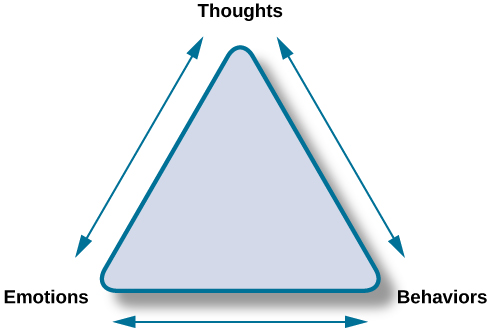
Cognitive-behavioral therapy (CBT) is a form of psychotherapy centered on helping clients examine and change the relationship between their thoughts and their behaviors. The primary goal is to identify and modify cognitive distortions and self-defeating actions, thereby changing not only how individuals think but also how they act in response to various situations.
0
3
Contributors are:


Who are from:





Tags
Behavioral Neuroscience
Psychology
Neuroscience (Neurobiology)
Social Science
Empirical Science
Science
Life Science / Biology
Biomedical Sciences
Natural Science
Ch.16 Therapy and Treatment - Psychology @ OpenStax
OpenStax
Psychology @ OpenStax
Introduction to Psychology @ OpenStax Course
OpenStax Psychology (2nd ed.) Textbook
Ch.4 States of Consciousness - Psychology @ OpenStax
Related
Doll Therapy
Self-Determination Theory in Healthcare
Self-guided internet-based cognitive behavioral therapy (iCBT)
Cognitive Behavioral Therapy (CBT)
Pharmacotherapy
Telepsychiatry
VR interventions
Neurosurgery
Psychological Intervention
Mind-Body Intervention
Mycotherapy
Treatment Methods Used in Health Psychology References
Psychobiotics
Trauma-Informed Mindfulness
Cognitive Behavioral Therapy (CBT)
Electroconvulsive Therapy (ECT)
Role of Behavioral Therapy in Addiction Treatment
Transcranial Magnetic Stimulation
Deep Brain Stimulation
Cognitive Behavioral Therapy (CBT)
Electroconvulsive Therapy (ECT)
Psychodynamic psychotherapy
References for treatment of OCPD
Medications and OCPD
Cognitive Behavioral Therapy (CBT)
Some of the Speech - Language Pathologist's strategies to help kids who have language disorder
Cognitive Behavioral Therapy (CBT)
Dialectical Behavior Therapy
Integrative Body Psychotherapy
Supportive Therapy
Cognitive Behavioral Analysis System of Psychotherapy (CBASP)
Humanistic Therapy
Integrative or Holistic Therapy
Cognitive Therapy
Behavior Therapy
Acceptance and Commitment Therapy
Compassion-focused Therapy
Cognitive Behavioral Therapy (CBT)
Play Therapy
Sociocultural Model in Therapy
Psychodynamic Therapy
A client in a therapy session states, "I gave a presentation at work and my boss didn't praise it, so I'm convinced I'm going to be fired. I'm a total failure." The therapist responds, "Let's examine that thought. What is the evidence that not receiving praise means you will be fired? Is there another way to interpret your boss's silence? We can work together to challenge this pattern of thinking and develop more balanced perspectives." Which therapeutic approach is this therapist most likely using?
Psychopharmacology
Intervention
Peer support
Somatic Therapy
Pharmacotherapy
Telepractice
Alternative Treatment
Improving Practice in Mental Health Treatment
References for Neuromodulation
Neuromodulation
Psychotherapy
Cognitive Behavioral Therapy (CBT)
Biomedical Therapy
Psychological vs. Biological Interventions
Treatment Plan Analysis
Cognitive Therapy
Cognitive Behavioral Therapy (CBT)
Learn After
CBT as ADHD Treatment for Adolescents
History of cognitive behavioral therapy (CBT)
Traditional CBT Treatment for Depression and Substance-Abuse.
Group cognitive behavioral therapy (CBT) for older adults with generalized anxiety disorder (GAD)
Rumination-Focused Cognitive Behavioral Therapy
Types of Cognitive Behavioral Therapies (Third Wave)
Relapse-prevention cognitive behavioral therapy
Cognitive Behavioral Therapy for youth affected by war/conflict.
Trauma-focused Individual CBT
School-based Cognitive-Behavioural Therapy Group Intervention for War-affected Refugee Children in the United Kingdom
Reference for an Overview on Cognitive Behavioral Therapy
Cognitive Behavioral Therapy for Non-psychological Medical Conditions
Cognitive Behavioral Therapy for Life Adversities
How Does Cognitive Behavioral Therapy (CBT) Work?
Therapeutic Techniques of CBT
Rational Emotive Therapy (RET)
Focus of Cognitive Behavioral Therapy on Present Issues
Comparison of CBT with Cognitive and Behavior Therapies
Effectiveness of Cognitive-Behavioral Therapy for Psychological Disorders
Client Perspective on the Effectiveness of Cognitive Behavioral Therapy for Depression
Comparison of CBT and Medication for Depression
A client reports feeling intense anxiety before social events. They explain, "When I get an invitation, I immediately think, 'I'm going to say something stupid and everyone will laugh at me.' This makes my heart race, and I feel sick. So, I just end up staying home." Based on a therapeutic approach that focuses on the interplay between thoughts, feelings, and actions, which of the following would be the most likely initial target for intervention?
Applying Therapeutic Principles
Increased Risk of Substance Use in Individuals with MID-BIF
Cognitive-Behavioral Therapy for Insomnia